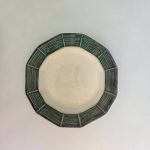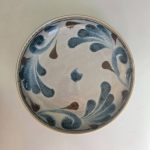
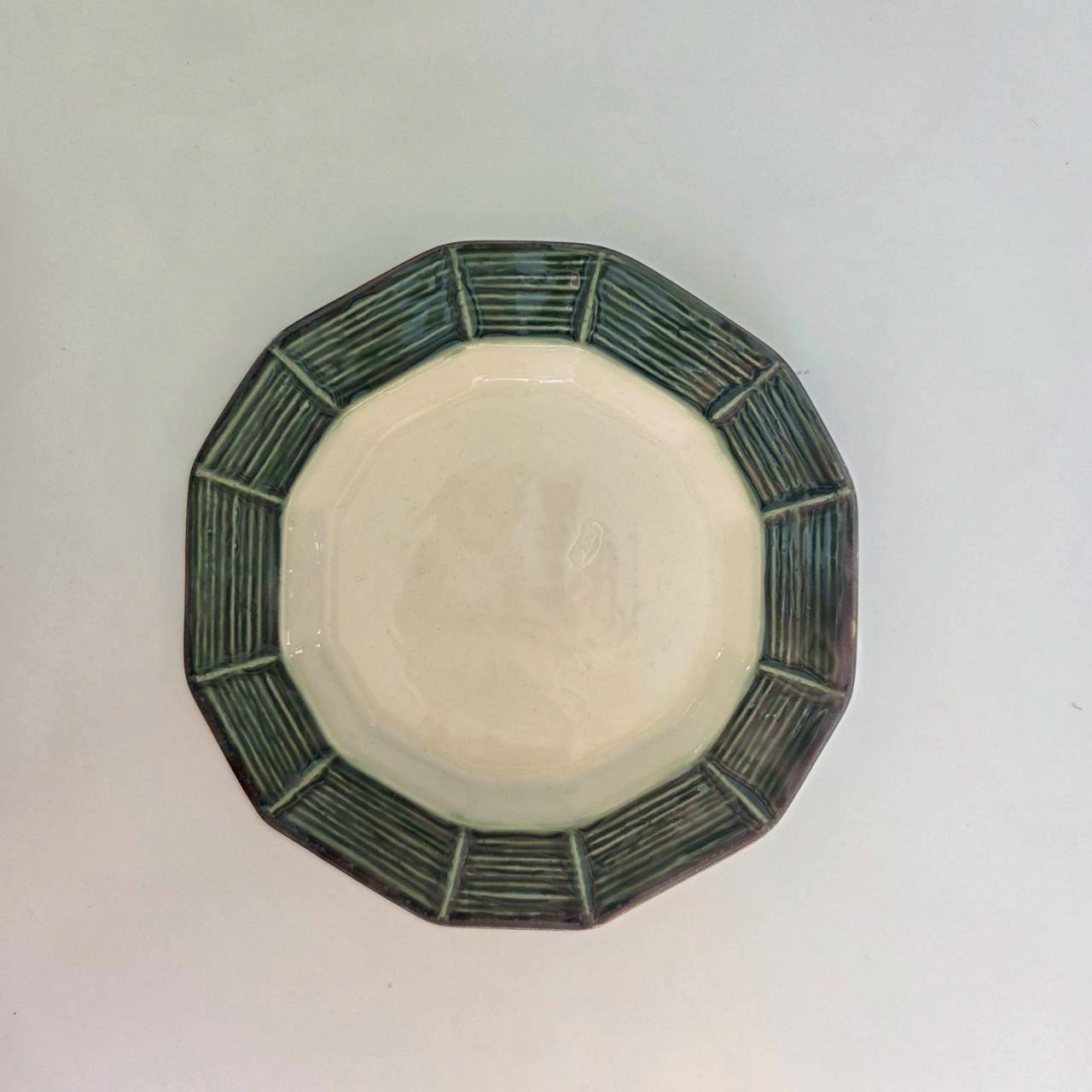

Most of what goes wrong with Japanese ceramics isn’t a manufacturing fault. It’s a dishwasher, a sudden change in temperature, or a stack of plates in a cupboard. The pieces are fired hotter than most supermarket stoneware and the glazes are thicker, but that toughness is why they’re worth handling with care: a glaze that survives daily rice duty will dull permanently if you put it through a hot cycle every night.
This is a plain guide to keeping hand-glazed pieces in good shape. No special products, no routines that take longer than dinner.
The short version
Hand-wash glazed pieces. Skip the microwave and the oven. Let them come to room temperature before anything hot goes in. Don’t stack a deep bowl inside a shallow one. Dry them standing up rather than towel-drying a wet foot. Crazing — the fine web of lines in a glaze — is normal and not a crack. If you do all of that, a well-made bowl will outlive most of your cutlery.
Why hand-glazed pieces behave differently
A glaze is glass. It sits on clay, and the two expand and contract at slightly different rates. Industrial ceramics are made in identical batches with glazes engineered to match the clay body exactly. Hand-glazed pottery isn’t: the glaze thickness varies, the brushwork varies, and the firing varies from one shelf of the kiln to the next.
That variation is the point. The cobalt sweep on a piece of Yachimun-style work is thick in one spot and thin in another because a person made it. But it also means the glaze is not a factory coating: it can craze, it can stain, and it can be dulled by detergent over time.
Washing
Hand-wash in warm water with a soft sponge and ordinary dish liquid. That’s it. Use the gentler side of the sponge on a glazed surface and let the water do the work on dried rice — five minutes of soaking removes what a scrubber would only spread around.
Two things to avoid:
Dishwasher detergent. It’s abrasive and alkaline, and it etches the surface of soft or crackled glazes over months. The first sign is a slight loss of sheen; the second is that the piece looks faded in the glaze pools, which is where the colour usually lives.
Anything abrasive. Steel wool, scouring cream, and the rough side of a sponge will leave fine scratches that hold onto tea and oil.
There’s one honest exception on our own shelf: the Miso Soup Bowl | Shiruwan is ABS plastic, not ceramic, which is why it costs $7.99. That one goes in the dishwasher without complaint. Everything glazed and fired goes in the sink.
Thermal shock — the thing that actually breaks bowls
Thermal shock is a fast temperature change cracking a piece, and it is the most common way a good bowl dies.
In practice it looks like this: a cold bowl straight from the cupboard with boiling water poured in, or a hot bowl under cold water in the sink. The clay and glaze expand and contract at different rates, and if the change is fast enough, something gives. Glazed stoneware is usually fine with hot food, so long as the bowl itself started at room temperature.
The practical rules are simple. Let a cold piece sit a minute before you fill it. Never pour cold water into a hot bowl. Don’t move a piece from the fridge into a hot oven, and don’t put any of these pieces in an oven or microwave at all unless it’s explicitly sold as ovenware.
Using the microwave
Worth saying plainly, because it’s the second most common way a piece is damaged: don’t microwave hand-glazed ceramics. A microwave heats unevenly, and a piece with a crackle glaze or unglazed foot can hold moisture that expands as steam inside the body. Reheat rice in a steel or glass bowl instead.
Crazing: what it is, and when to worry
Crazing is the fine network of lines you see in the glaze of older pieces, like the veins in the back of a leaf. It happens because the glaze contracts slightly more than the clay as it cools after firing. It’s cosmetic, it’s traditional, and you’ll see it on plenty of pieces that have been in daily use for decades.
It becomes a problem only if the crazing is deep enough to let oil or strong tea colour into the body. If a piece is staining on the lines, wash it sooner after use and stop putting it in the dishwasher, which drives colour further into the cracks.
A crack is different. Tap the rim with a fingernail: a cracked piece gives a dull thud, a sound one rings clear.
Drying and storing
Dry pieces upside down on a rack so water doesn’t sit in the recessed centre of a plate or the base of a bowl. Then put them away fully dry — a wet foot left against another plate is how mineral staining starts.
When you stack, put a piece of cloth, paper or a thin mat between plates, and don’t nest a deep donburi inside a shallow saucer. Two bowls wedged together is the single easiest way to chip a rim. If cupboard space is tight, hang or lean plates rather than stacking them six deep.
Chopstick rests and small pieces are the ones that disappear. A small hashi oki at $3.99 rattles around in a cutlery drawer and gets chipped on forks, so give them a shallow dish of their own.
Matcha bowls specifically
Matcha bowls need two extra habits. Rinse the bowl as soon as you’ve finished, before the powder dries onto the glaze, and never use a metal whisk with it. A bamboo chasen is soft enough not to mark the surface; steel utensils scratch a glaze that you look into every morning.
Dry the bowl inverted on a rack rather than leaving it to air upright with water pooled in the base. The inside of a chawan is where a matcha drinker’s eye lives.
Using the good pieces
The last piece of advice is the least technical and the most important. These are working plates, not display items. A plate with one small chip in the rim is still a plate, and in plenty of Japanese homes a mended piece stays in service for years — visible repair reads as a record of use, not damage.
So: use the good plates for dinner, wash them by hand, don’t stack them in a tower.
The questions we get most
Can I put these in the dishwasher at all? On a low-temperature, no-heat-dry cycle an occasional pass is unlikely to ruin a well-fired piece. Doing it nightly will dull it.
Does hot water damage them? Not on its own. Sudden temperature change does.
Is a crazed piece safe to eat from? Yes, as long as the glaze is intact and the piece rings clear when tapped. Retire it if glaze has flaked off to the clay.
Care for them by hand, use them often, and they’ll do the thing handmade pottery is best at: get better looking with use.